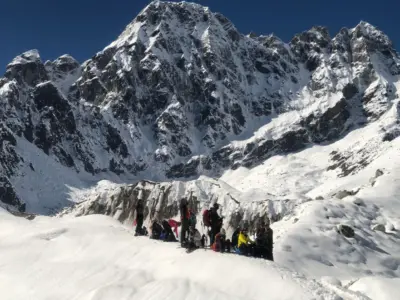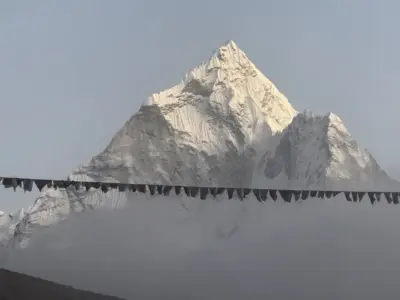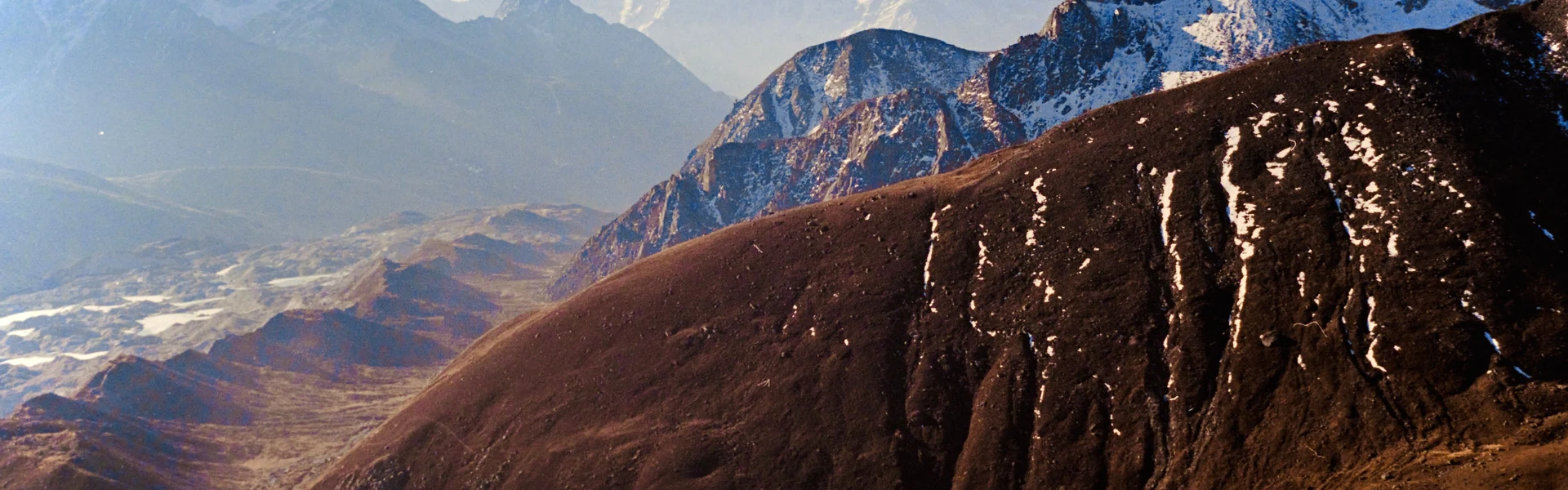
Gokyo Lakes trek best time: Aim for mid-October to early November if clear mountain views top your list. Choose April for longer days and a spring trek. Both windows suit the standard route through Namche Bazaar, Dole, and Machhermo, with time for an optional hike up Gokyo Ri.
Pick your dates for the days you’ll spend at Gokyo, not just the day you fly to Lukla. You’ll spend several nights walking up the valley before you reach the lakes. Count ahead to your first morning at Gokyo and leave time for a second chance if clouds hide the peaks.

The Gokyo Lakes trek follows the upper Dudh Koshi valley in Nepal’s Sagarmatha National Park. The standard route branches off the Everest Base Camp trail beyond Namche Bazaar and climbs through Dole and Machhermo. You sleep near 4,790 meters at Gokyo and can hike to 5,357 meters on Gokyo Ri.
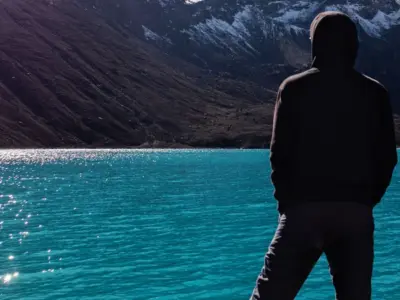
You pass the first two lakes on the walk into the village. The lodges sit beside the third lake, so you can get close to the water on the same day you arrive. On a clear day, Gokyo Ri gives you a wider view of the lakes, the rocky surface of the Ngozumpa Glacier, and peaks that include Everest and Cho Oyu.
Lake access, viewpoint access, and flight access are three different questions. You can reach the village while cloud hides Everest or ice makes Gokyo Ri a poor choice. You can also finish the trek on schedule and wait in Lukla for your flight.
Choose mid-October to early November for a good chance of dry trails and clear mountain views. Choose April if extra daylight gives you more freedom to walk slowly, take breaks, or split the lake walk and viewpoint hike. Late November can work if you prefer quiet trails and can handle colder nights.
| Month | What to plan around | Best fit |
|---|---|---|
| January | Severe night cold, shaded ice, fewer lodge choices | Experienced winter trekkers |
| February | Longer days, lingering snow and ice | Flexible winter plans |
| March | Spring lower down, possible winter conditions at Gokyo | Trekkers who can skip Gokyo Ri |
| April | More daylight, cold nights up high | A first spring trek |
| May | Warmer lower trails, more cloud risk near monsoon | Early starts and spare time |
| June | Rising rain risk, wet trails, flight delays | Flexible standard routes |
| July | Monsoon rain and frequent cloud | Travelers who accept limited views |
| August | Wet approaches and poor visibility | Travelers with an alternate trek |
| September | Lingering rain, possible improvement late in the month | Flexible late-month travel |
| October | Post-monsoon views and busier lodges | Views and a first Gokyo trek |
| November | Clear spells and colder mornings, especially late | Mountain views or quieter late dates |
| December | Short days, cold rooms, possible snow and ice | Winter groups with confirmed rooms |
Use these patterns to choose a window. A fresh snowfall can change the upper trail in a few hours. Ask what people saw that morning between Machhermo and Gokyo, then ask separately about Gokyo Ri. Conditions at your current lodge tell only part of the story.
January suits trekkers who already know how to manage cold nights, icy paths, and short days above 4,000 meters. You may find quiet trails and clear views between storms. Build your itinerary around lodges that confirm they’ll open, and treat Gokyo Ri as an optional hike.
Ask each upper lodge about drinking water and meals as well as rooms. Use an insulated bottle or keep a small bottle inside your jacket if water starts to freeze. Leave the lake ice alone even when it looks solid from shore.
February can work if you allow time for snowfall and have a guide who knows the winter route. Days grow longer, but old snow can harden on shaded paths while sunny stretches look dry. Make the lake village your main goal and plan the viewpoint once you see the conditions.
Ask where the last group turned around and why. A report from the village trail tells you little about the upper part of Gokyo Ri. If your guide reports steep, hard ice or poor footing, spend your spare morning at the lake or start down early.
Late March can suit you if you want a spring trek and can accept winter conditions higher up. You may walk on dry paths below Namche and still encounter ice near Gokyo. If open water or the Gokyo Ri climb matters most, April gives you a better starting window.
Keep dry gloves and a warm layer within reach. An easy morning below the tree line feels different from a rest stop on an open slope above Dole. Save a dry pair of socks for your room so you can change each afternoon.
April is a strong choice if you want daylight for walking, photos, and breaks above the tree line. Plan your main viewpoint attempt for the morning, when you can take advantage of clear skies if they develop. Keep warm layers ready for Gokyo, where you’ll sleep near 4,790 meters.
Keep the lake walk and Gokyo Ri as separate plans. You can settle into the village and see the main lake without rushing uphill. If you feel well the next morning, look at the sky and ask your guide to check the descent as well as the climb.
Early May can offer good trekking days, especially if you can use clear mornings for views. Later in May, allow for more cloud as the monsoon approaches. A dry morning at the village can still leave Everest behind clouds, so give yourself a second chance at the viewpoint.
Keep your rain shell where you can reach it without unpacking. Use a waterproof liner around your sleeping bag and dry layers. If you want dawn photos, set out gloves, water, and a headlamp the night before.
June is a gamble if you have fixed dates or if Everest from Gokyo Ri is your main goal. Nepal’s monsoon generally runs from June through September, but the onset varies. Even in early June, plan for wet trails, weaker visibility, and possible flight delays.
Ask about the lower approach and upper valley before leaving Kathmandu. If you lose days at the airport, shorten the route or switch to another trek. Keep the nights your body needs to adjust to altitude.
July suits travelers who accept that rain and cloud can shape the whole trek. You may reach Gokyo and see the lakes up close while the peaks stay hidden. If you have one chance to visit and a tight onward flight, choose a month with a better chance of dry days.
Check the route before you leave each lodge. Wet stone steps and mud take extra time on the descent. Keep a dry set of clothes inside your pack liner until you reach your room.
August can work if you can absorb repeated delays and enjoy the trek without long mountain views. Check road access separately if you plan to use it as a flight backup. The same spell of rain can affect both the Lukla flight and the lower roads.
Agree on how long you can wait for a flight before you switch plans. Ask how the alternative changes walking days, road time, and lodge stops. Confirm that you still have time to return to Kathmandu before you commit to the new route.
Late September can suit you if you want quieter trails and can wait for the weather to improve. Early September still falls within Nepal’s typical monsoon season, and rain can last into the final weeks. Choose October if mountain views matter more than having fewer people around.
Check which upper lodges have opened for autumn. Confirm where you’ll stay if rain slows your approach. A change of lodge can also change your sleeping altitude, so check the elevation before you agree to a new stop.
Mid-to-late October offers a useful mix of post-monsoon skies, open lodges, and enough daylight for the standard route. Peak-season demand can make rooms and flights harder to shift at short notice. Reserve your main Gokyo nights and ask whether you can extend if the sky stays cloudy.
Confirm the airports on both legs of your Lukla booking. An airline may route you through Manthali, in Ramechhap, during busy periods. If you fly from Manthali, plan your road transfer around the airline’s check-in time.
Early November is a strong choice if you want autumn views and can dress for cold starts. Later November trades daylight and warmth for a chance of quieter trails. Choose early November for the broadest fit, or go later once you confirm rooms in Dole, Machhermo, and Gokyo.
Think through the descent from Gokyo Ri before you set out. Your hands and feet can cool during photo stops, and shaded slopes can stay slick. A daylight start may suit you better if your guide expects the sky to stay clear.
December suits experienced cold-weather trekkers with flexible flights and confirmed beds. A settled spell can bring good views, while short days give you less time to recover from a late start. Plan around snow, ice, and the services each lodge can offer, especially later in the month.
Ask when the lodge heats the dining room and what bedding it supplies. The dining room may feel warm while your bedroom stays cold. Choose your sleeping bag for the room you’ll actually use.

Pack for your highest sleeping stop and for the time you’ll spend standing still at viewpoints. A sunny walk below Namche gives you little sense of a cold room near the lakes. Ask for separate overnight estimates for Namche, Machhermo, and Gokyo, then choose your layers for the coldest stop.
Compare sleeping bags using their comfort ratings. For spring or autumn, a bag rated for comfort at −10°C is a starting point to discuss with your operator. Use a warmer setup if the expected room temperature calls for it or you tend to sleep cold.
Keep the items you need between lodges on your back, even if someone carries your overnight bag. Pack for a slow descent or a long stop in the wind. Leave enough room to remove a layer when you warm up on the climb.
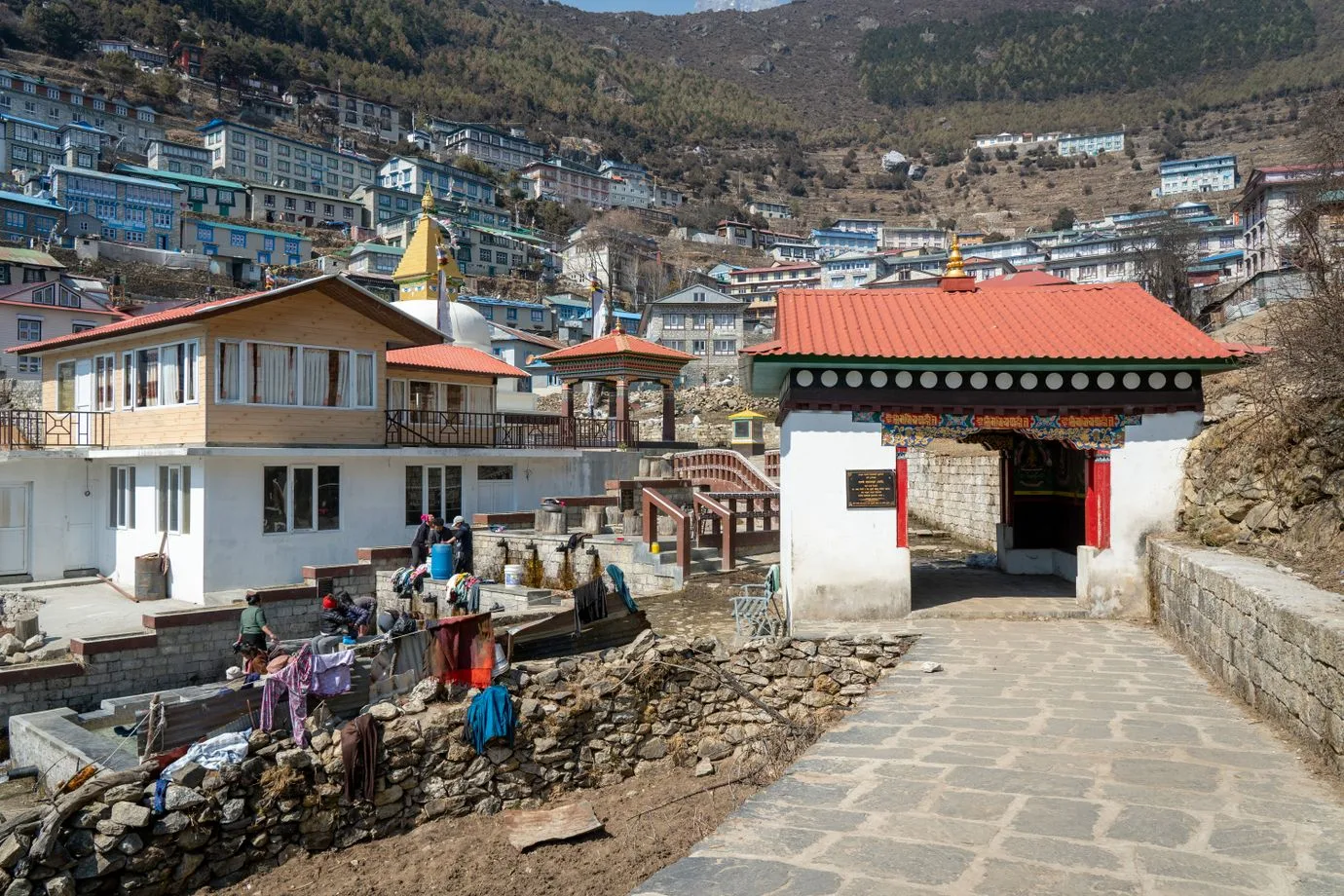
Protect the nights that help you adjust to altitude, then fit the viewpoints around them. A common plan includes two nights in Namche before continuing into the Gokyo valley. Dole and Machhermo break the climb into stages. Keep another night available if your pace or the weather calls for it.
Allow about 6 km and 3–4 hours from Dole to Machhermo. Plan for roughly 7 km and 4 hours from Machhermo to Gokyo. Use those figures as estimates. Snow, stops, and how you feel above 4,000 meters can change your pace.
The move from Namche to Dole deserves particular care. A standard itinerary can gain more than 500 meters in sleeping elevation on that leg. Ask your guide to check the elevations of your booked stops and propose a lower intermediate night where lodging allows.
See the 12-day Gokyo Lakes trek itinerary to compare overnight stops and see how much time the route gives you at the lakes.
Choose sunrise if you feel well, your guide has checked the path, and you can handle the cold before dawn. Choose a daylight start if footing looks uncertain or you need more time to eat and warm up. The climb gains roughly 570 meters from Gokyo and takes several hours round trip.
Give yourself room to turn around. Steep ground that felt manageable on the way up can take longer on tired legs. If you skip the viewpoint, spend time at the main lake or take a short walk near the village.
Check which airport serves each leg of your booking and leave at least two spare days before your international flight as a planning allowance. Many Lukla flights use Manthali Airport in Ramechhap during busy periods. A local transfer, poor visibility, or rebooking can move the day you reach Kathmandu.
Prepare for Sagarmatha National Park entry and the Khumbu Pasang Lhamu Rural Municipality Trek Card. Nepal Tourism Board also lists Gokyo under its licensed-guide and TIMS policy. Ask your trekking agency to confirm the current steps, which documents it arranges, and what to show at checkpoints.
Separate your trek buffer from your flight buffer. An extra night at Gokyo gives you time to rest or wait for views. A spare day in Kathmandu helps protect your onward flight. Using one day for both on paper means giving up one option when the weather changes.
Give your body time to adjust and report new symptoms as soon as they start. The CDC advises limiting gains in sleeping altitude to 500 meters a day above 3,000 meters. It also recommends an extra night for every 1,000 meters gained. Your symptoms may call for a slower plan.
If a new headache comes with nausea, dizziness, or unusual fatigue after a climb, stop ascending and tell your guide. Descend if symptoms worsen at the same altitude. Confusion, trouble walking straight, or shortness of breath at rest calls for urgent help and immediate descent when feasible.
Check that your insurance covers 5,357 meters if you plan to hike Gokyo Ri. Read the exclusions for trekking and emergency evacuation. Share your policy number and emergency contact with your guide before you leave Kathmandu.
Choose April or autumn if seeing open water is a priority, and ask for a recent picture of the main lake before leaving Kathmandu. Winter ice can linger into spring. On cloudy days, the lake can look gray or dark blue even when the water is open.
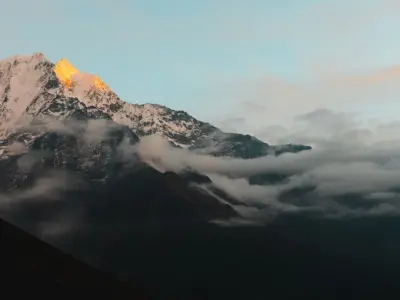
You can see Everest from Gokyo Ri when skies clear. The hike reaches 5,357 meters, so give yourself time to adjust at lower stops first. If clouds stay low or ice covers the viewpoint trail, you can still see the lakes from the village and on the walk into Gokyo.
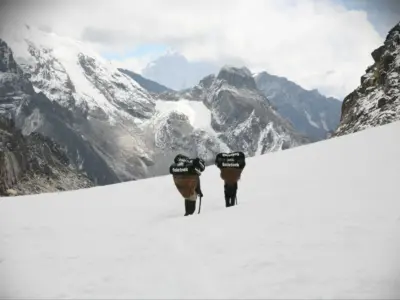
You can walk to Gokyo and return the same way through Namche, Dole, and Machhermo without crossing either pass. Cho La links Gokyo with the Everest Base Camp side, while Renjo La leads toward the Bhote Koshi valley. Ask for a separate snow and ice report if you add a pass.
Allow about 12 days for a Lukla-based itinerary and its flights, then check what your day count includes. Some plans count Kathmandu nights separately. Look for time in Namche to adjust, a night in Machhermo, and a morning at Gokyo. Leave spare time before your international flight for possible delays.
Fit beginners can prepare for the standard route if they can manage consecutive days of hill walking and follow a gradual ascent plan. April or mid-October to early November gives you a good starting window. Train on long descents and keep Gokyo Ri optional until you know how you feel at the lake.
Choose October if clear mountain views matter most, or April if you want longer days in spring. Count forward from your Lukla flight so you know when you’ll reach the upper valley. Then look for a spare morning at the lakes and enough time back in Kathmandu before your flight home.
Planning sources — Nepal Tourism Board’s Gokyo guide, Nepal Tourism Board’s TIMS guidance, Khumbu Trek Card guidance, and the CDC Yellow Book on altitude illness.