Quick answer: The best things to do in Kathmandu are the three Durbar Squares, Boudhanath Stupa, Pashupatinath Temple, Swayambhunath, and the old lanes of Thamel and Asan. Most visitors need two to three days. Entry to the main heritage sites costs NPR 200 to NPR 1,000 for foreigners, and you should carry cash.
Kathmandu sits at 1,400 meters in a valley that holds seven UNESCO World Heritage monument zones. It is also the starting point for every Everest, Annapurna, and Langtang trek. After 20 years of sending trekkers through the city, we recommend spending at least two days here before you fly to the mountains. The pace lets you adjust to the time zone and the traffic, and you see the cultural side of Nepal that treks only touch.
Last updated November 2026. Fees come from the Nepal Tourism Board heritage list and can change, so confirm at the gate.
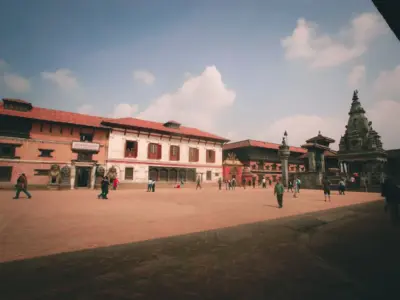
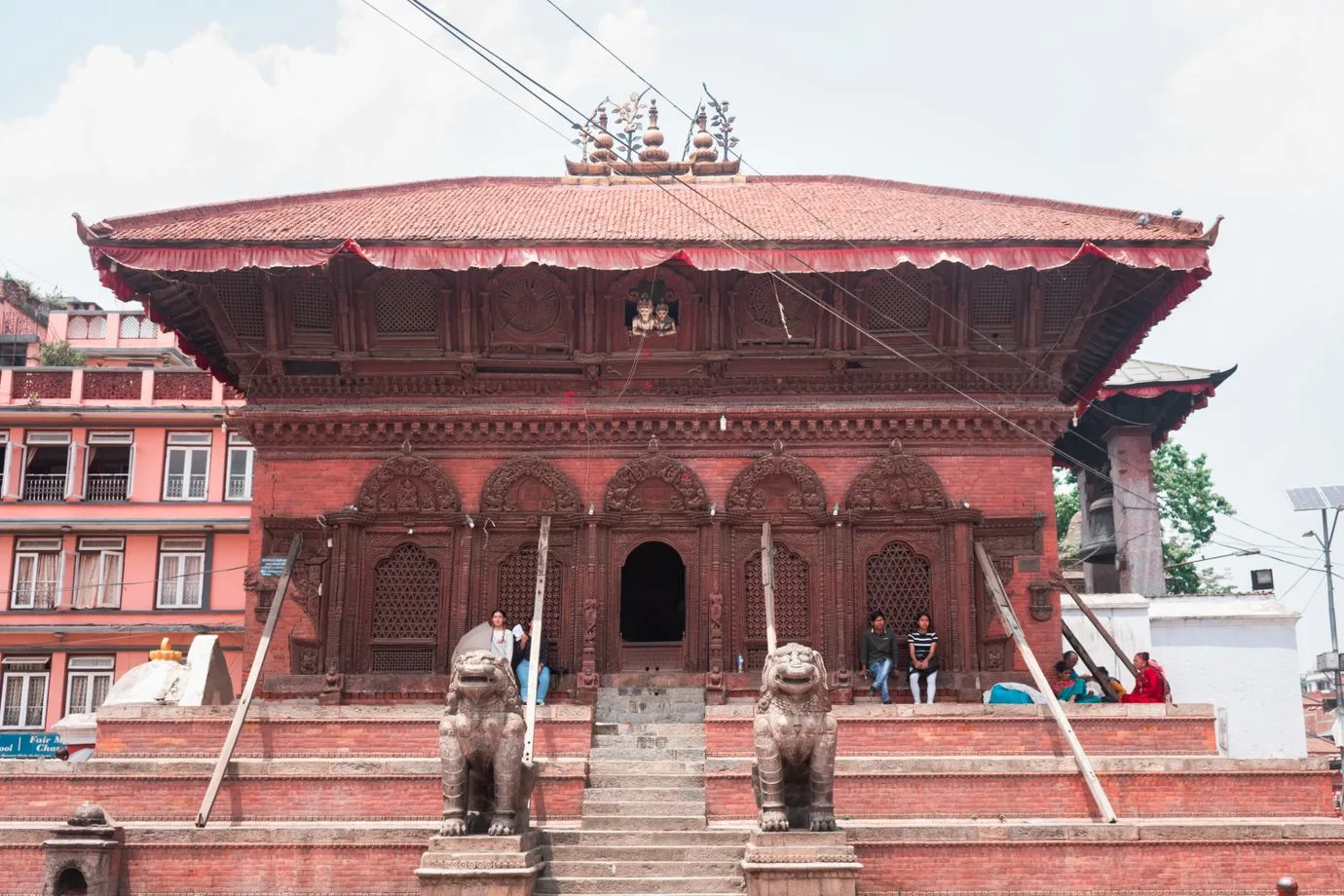
The old royal palace complex holds Hanuman Dhoka, the Kumari Ghar home of the Living Goddess, and dozens of pagoda temples. The ticket costs NPR 1,000 and includes the Tribhuvan Museum. Some structures still show earthquake repairs, so expect scaffolding in places.
Climb 365 stone steps to a hilltop stupa with painted Buddha eyes and a wide view over the valley. Arrive at sunrise for cool air and soft light. Keep food out of sight, because the resident macaques grab it.
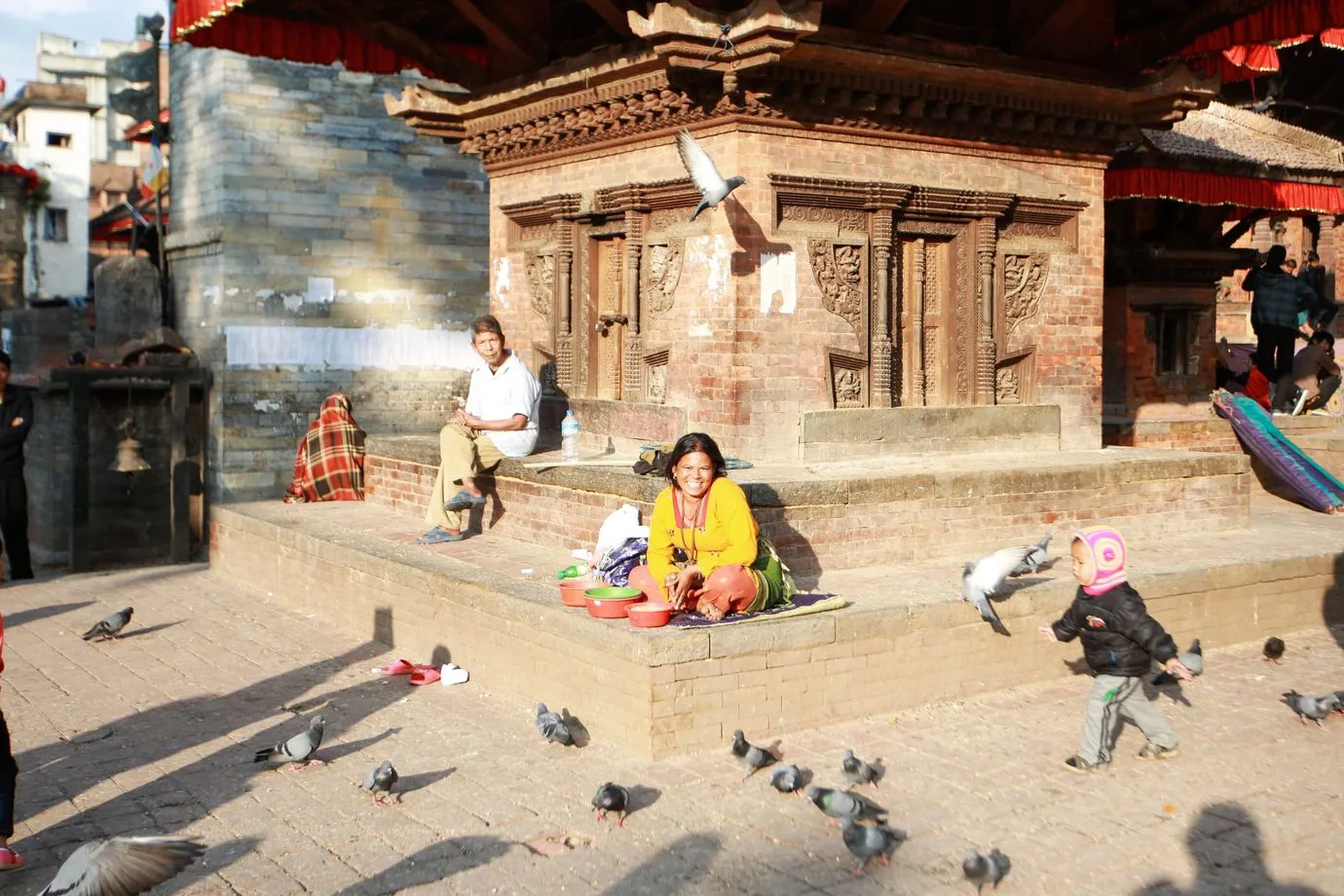
Boudhanath is among the largest stupas in the world and the center of Kathmandu’s Tibetan community. Walk the kora clockwise at dusk, when butter lamps and chanting fill the circle. Entry costs NPR 400.
This riverside Hindu complex on the Bagmati draws pilgrims from across South Asia. Only Hindus enter the main temple, but you can watch ceremonies from the eastern bank. The ticket costs NPR 1,000. Hire a licensed guide, since the rituals need explanation.
Many visitors rank Patan as the best of the three squares. Newar woodcarving, bronze courtyards, and a museum of religious art sit within a short walk. Entry is NPR 1,000.
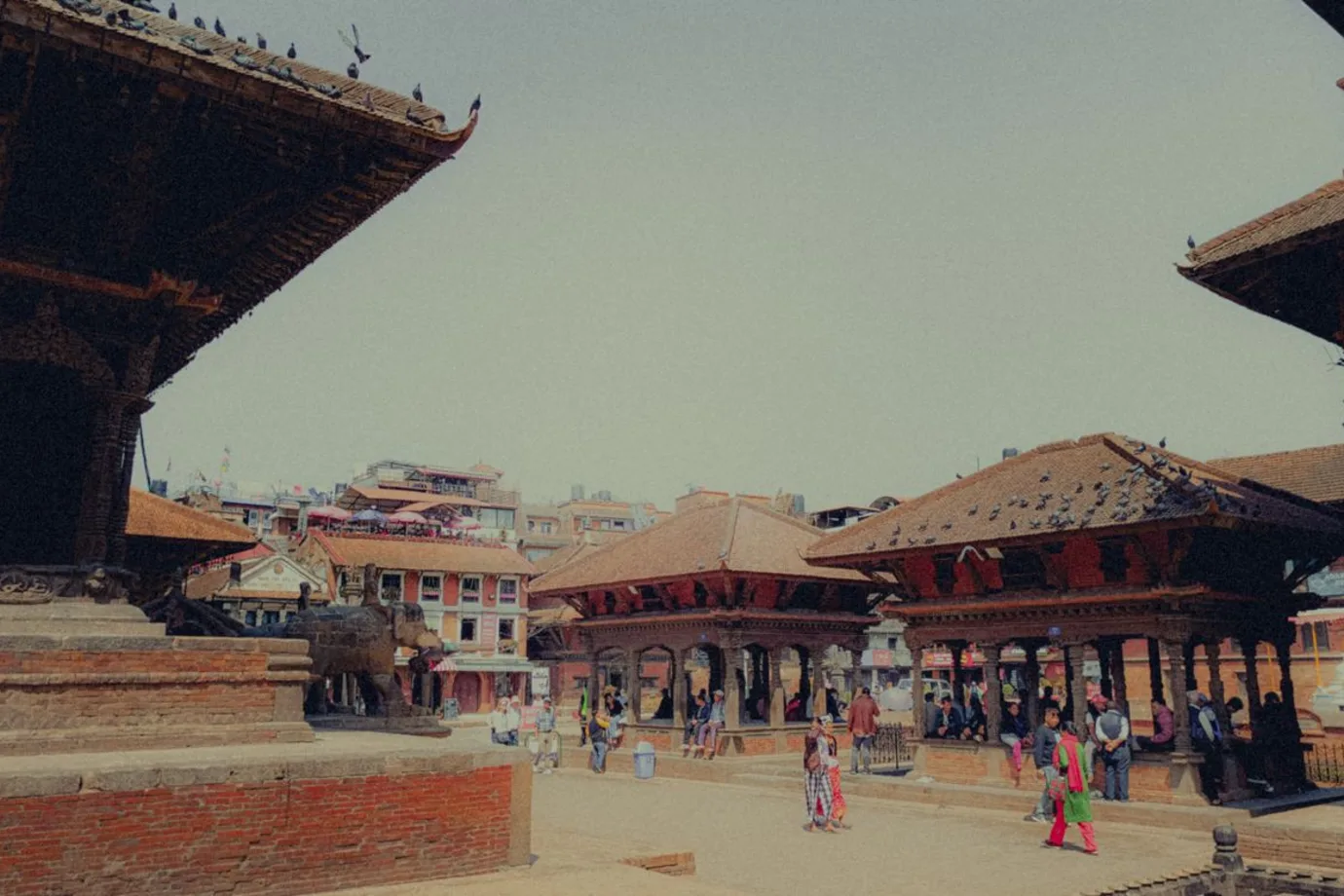
Bhaktapur keeps its brick lanes and pottery squares largely free of cars. Plan a half day for the 55-Window Palace and Nyatapola Temple. Foreign visitors pay roughly NPR 1,800, and published rates vary between sources, so check on arrival.
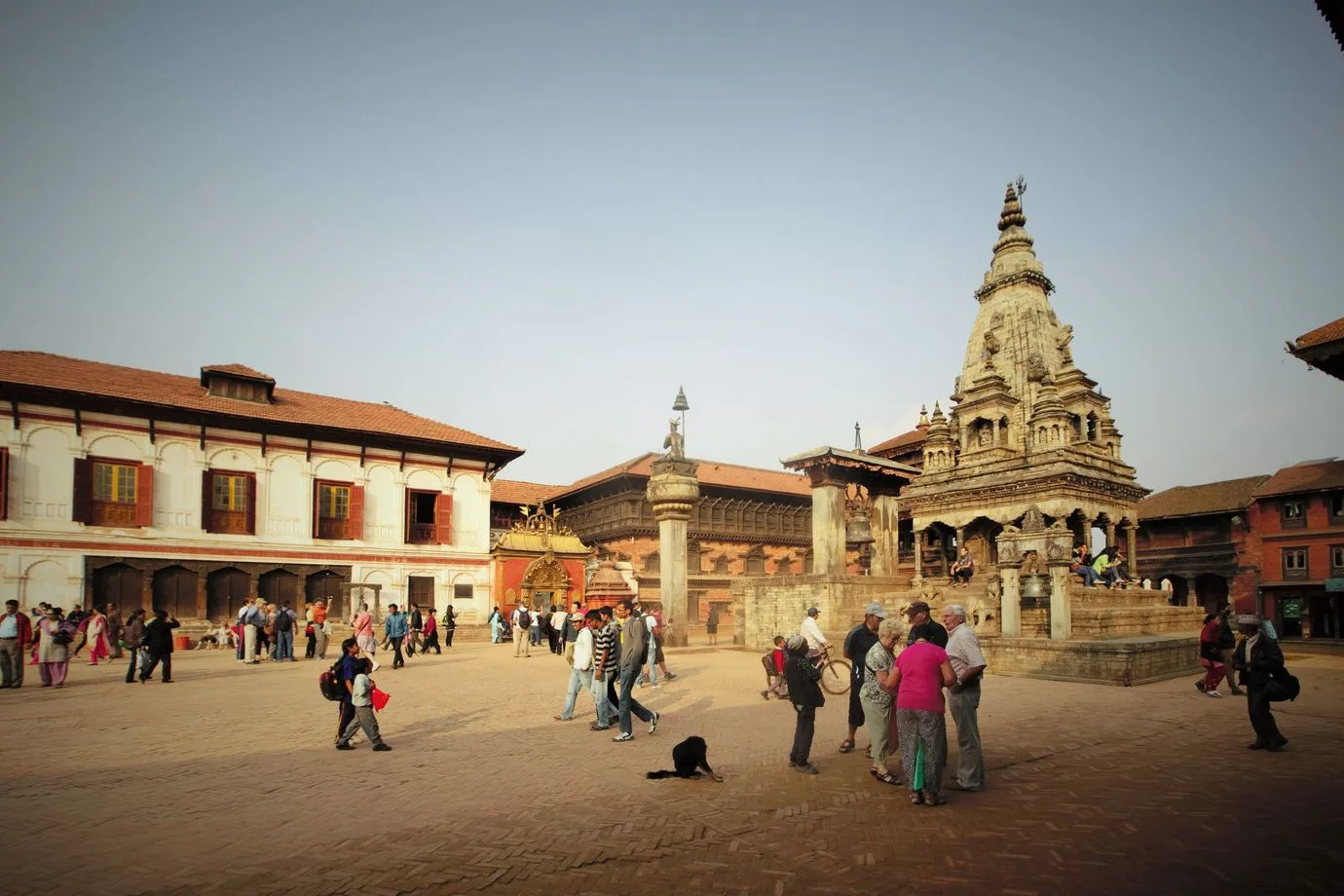
A walled Edwardian-style garden beside Thamel, built in 1920. It works well for a quiet coffee after a busy morning. Entry costs about NPR 400 for foreigners.
Thamel is the trekker’s base for gear shops, bookstores, restaurants, and money exchange. Bargain politely for gear, and buy a trekking map here if you did not bring one.
Walk the old trade route north of Durbar Square for spices, brassware, and street snacks. Go before 10 a.m. to avoid the heaviest crowds.
Kopan stands on a hill north of Boudhanath. Visitors join short meditation courses or simply watch the monks’ afternoon debate. Dress modestly and stay quiet inside the prayer hall.
The temple holds a large reclining stone figure of Vishnu resting on a bed of coiled serpents. Visit in the early morning, when local worshippers outnumber tourists.
The cable car lifts you to about 2,500 meters. On a clear morning you see a long line of Himalayan peaks. Our guide on seeing Mount Everest from Kathmandu explains what is visible from each viewpoint.
The former royal palace tells the story of Nepal’s monarchy and its end in 2008. Allow 90 minutes and check opening days before you go.
Changu Narayan is the oldest temple in the valley and sits on a ridge east of Bhaktapur. Pair it with Bhaktapur in one day.
A one-hour flight from Tribhuvan Airport passes close to Everest on clear mornings. It suits travelers who do not have time to trek. Book through a licensed operator and expect costs in the range of USD 200 to USD 250, subject to season.
| Site | Foreign visitor fee (NPR) | Best time |
|---|---|---|
| Kathmandu Durbar Square | 1,000 | Early morning |
| Patan Durbar Square | 1,000 | Morning |
| Bhaktapur Durbar Square | About 1,800 | Full morning |
| Swayambhunath | 200 | Sunrise |
| Boudhanath Stupa | 400 | Dusk |
| Pashupatinath Temple | 1,000 | Late afternoon |
The official Nepal Tourism Board heritage fee list shows the current rates. UNESCO describes the Kathmandu Valley World Heritage Site and its seven monument zones.
Two full days cover the main sights. Spend day one on Durbar Square, Swayambhunath, and Thamel. Spend day two on Pashupatinath, Boudhanath, and Patan. Add a third day for Bhaktapur and Changu Narayan. If you plan a trek, book the Kathmandu days before and after, because Lukla flights often shift with weather.
October and November bring clear skies and mild days, and March and April bring warm weather and blooming rhododendrons. The monsoon runs from June to September, with heavy rain and cloudy views. Winter mornings are cold, but days stay dry and bright.
Most visitors pair the city with a Himalayan trek. If comfort matters, see our private luxury Everest Base Camp trek. For independent route planning and trail updates, browse Hiking in Nepal. Read our guides to Everest Base Camp and Sagarmatha National Park to prepare.
The valley has been settled for more than two thousand years. The Licchavi dynasty ruled here from roughly the fifth century, and the Malla kings later built the three royal cities of Kathmandu, Patan, and Bhaktapur. Each kingdom competed to raise the finest temples and palaces, which explains why the squares sit only a few kilometers apart yet look so different. The Newar people, the valley’s original urban culture, still run the guthi trusts that maintain many shrines and festivals.
In April 2015 a magnitude 7.8 earthquake damaged or destroyed many monuments, including the Dharahara Tower and parts of all three Durbar Squares. Restoration has moved steadily since then. Some temples are fully rebuilt, and others are still braced or fenced. The work is part of the visit, and it shows how local carpenters rebuild with traditional methods.
Start at Swayambhunath at 7 a.m. before tour buses arrive. Drive to Kathmandu Durbar Square for mid-morning and walk through Asan Bazaar for lunch. Spend the afternoon at the Garden of Dreams, then finish in Thamel for dinner and gear shopping. This plan fits a layover or a day before a flight to Lukla.
Spend day one on the Kathmandu sights above. On day two, visit Pashupatinath in the morning, then Boudhanath for lunch at a rooftop cafe overlooking the stupa. Cross to Patan in the late afternoon for the museum and sunset on the square. Eat dinner in Patan, where restaurants are quieter than Thamel.
Follow the two-day plan, then spend day three in Bhaktapur and Changu Narayan. Start early to enjoy the lanes before day-trippers arrive. Try king curd (juju dhau), the sweet yogurt Bhaktapur is known for. Return to Kathmandu by late afternoon and rest before your next leg.
Add a drive to Nagarkot or Dhulikhel for mountain views at sunrise, and a visit to Namobuddha, a Buddhist pilgrimage site on a forested ridge. The Shivapuri Nagarjun National Park also offers short forest hikes right at the valley’s northern edge. These outings give you a gentle warm-up before higher-altitude trekking.
Nepali food is simple, filling, and well suited to trek preparation. Try these dishes while you are in the city:
Drink bottled or filtered water, and choose busy restaurants with high turnover. Many trekkers also avoid raw salads and street ice in the days before a trek, since a stomach upset at altitude is miserable.
Thamel offers the widest range of rooms, from basic guesthouses to boutique hotels, and it puts you close to gear shops and tour desks. Boudhanath suits travelers who prefer a calm, spiritual setting and early-morning monastery chants. Patan and Bhaktapur offer heritage guesthouses built in traditional Newar style, including long-established properties such as Dwarika’s in Kathmandu and Swotha in Patan. Book ahead for October, November, March, and April, since the best rooms sell out.
Costs vary by season and travel style. The ranges below are rough planning figures, not quotes.
| Travel style | Per person per day (USD) | What it covers |
|---|---|---|
| Budget | 30 to 50 | Guesthouse, local meals, public transport, a few entry tickets |
| Mid-range | 80 to 150 | Three-star hotel, restaurant meals, private taxi, guide for one day |
| Luxury | 250 and above | Heritage or five-star hotel, private driver and guide, fine dining |
Festival dates follow the lunar calendar and shift each year. Confirm dates with your hotel before you book.
Buy singing bowls, thangka paintings, pashmina shawls, handmade paper, and Nepali tea in Thamel, Patan, and the Boudhanath area. Bargain with a smile and expect to settle at 60 to 70 percent of the first price for non-fixed-price items. Check that metal bowls and copper items are what the seller says. Trekking gear is cheaper than at home, but quality varies, so inspect stitching, zips, and down fill. If you need a quality sleeping bag or down jacket, rent from a reputable shop instead of buying a fake brand.
Most trekkers use the city for logistics. Check these items before you leave:
The Everest Base Camp guide on our site walks through the full route, altitude profile, and daily plan.
A local operator handles airport pickups, guides, tickets, and permits in one place. Peregrine Treks has operated from Kathmandu since 2002 and is registered with the Trekking Agencies’ Association of Nepal, the Nepal Mountaineering Association, and the Nepal Tourism Board. Our team can add a city tour, mountain flight, or private driver to any trek booking. Contact sales@peregrinetreks.com or WhatsApp +977 985 105 2413 to plan your days.
Most visitors rank Boudhanath at dusk and Patan Durbar Square as the top experiences. Add Pashupatinath if you want to see living Hindu ritual.
Plan two to three days. Two days cover the main monuments, and a third adds Bhaktapur and a day trip.
Yes. Petty theft and taxi overcharging are the main problems. Use licensed guides, keep valuables close in crowds, and agree on prices before you ride.
You do not need one, but a licensed guide adds history and ritual meaning that signs do not provide. Agree on the price first.
October, November, March, and April give the clearest views and most comfortable weather.
A private full-day tour with a driver and licensed guide commonly costs USD 60 to USD 120 per group, before entry tickets. Group tours cost less per person.
Not from the city itself. On very clear days, Everest is a faint speck from high viewpoints such as Nagarkot, or you can take a mountain flight. Our guide on seeing Everest from Kathmandu explains the options.
Wear light, modest clothing that covers shoulders and knees, and bring a warm layer for evenings. Comfortable shoes with grip help on temple steps and uneven lanes.
Yes. Kids enjoy the Monkey Temple, the Garden of Dreams, and pottery in Bhaktapur. Plan shorter days and carry water and snacks.
Ask your travel clinic several weeks before departure. Routine vaccines, hepatitis A, and typhoid are commonly discussed. Follow your doctor’s advice.